
Google Expands UCP with Multi-Item Cart, Live Catalogue and Loyalty Benefits
TL;DR
Google has taken a new step in agentic commerce with an update to its Universal Commerce Protocol (UCP) that incorporates a multi-item cart, real-time catalogue and integration with loyalty benefits. The move aims for a smoother shopping experience within AI environments and opens new opportunities for retailers, brands and e-commerce managers.
Google Takes a New Step in Agentic Commerce
Google’s latest update confirms a clear direction: bringing AI-assisted shopping to a more complete and operational environment. Instead of just showing products or helping with searches, UCP is starting to cover stages closer to conversion, such as selecting multiple items, checking availability and applying registered user benefits.
This advancement matters because it reduces part of the distance between purchase intent and the final checkout. For brands, the change is not limited to a technical improvement: it also affects how the catalogue is presented, how promotions are triggered and how customer data is managed in an AI-mediated context.

Furthermore, Google is aligning these capabilities with its Merchant Center ecosystem and experiences like AI Mode in Search and the Gemini app, suggesting a broader adoption strategy. The goal seems clear: to make agentic commerce more useful for users and more accessible for retailers.
What Exactly has Google Announced?
Before going into detail, it is worth understanding that this is not an isolated change, but an evolution in how Google is integrating the shopping experience within AI-assisted environments. The UCP update aims to reduce friction across the entire process, from discovery to conversion, relying on more accurate data, smoother interactions and greater continuity between the user’s relationship with the brand and the shopping environment itself. The UCP update introduces three main improvements:
1. Multi-item cart from the same shop
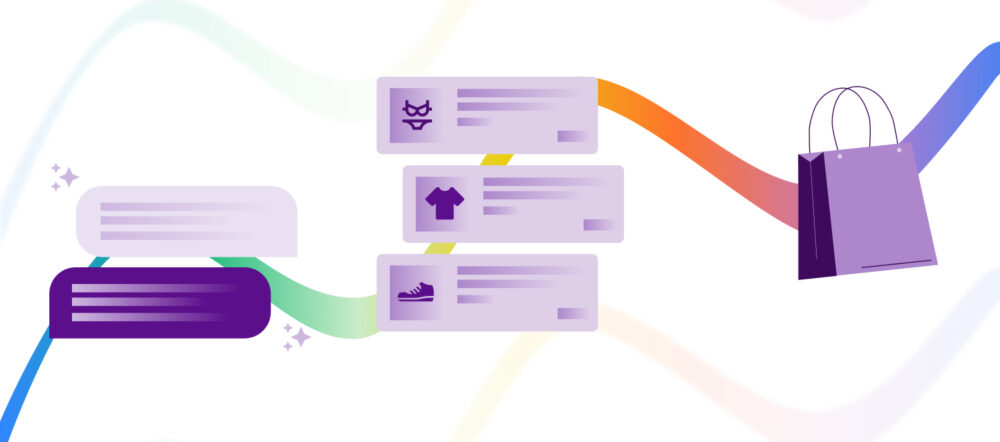
This function addresses a very specific need: allowing the user to buy more than one product without starting from scratch every time. For categories such as fashion, home, electronics or beauty, this improvement can streamline purchases involving product combinations, replenishments or recurring orders.
From a commercial standpoint, the multi-item cart also favours the average basket size. The less effort the user has to make to add related items, the more options there are for them to complete a larger basket. In an AI-mediated shopping environment, this simplicity can make the difference between a useful interaction and a lost conversion.
2. Catalogue with real-time information
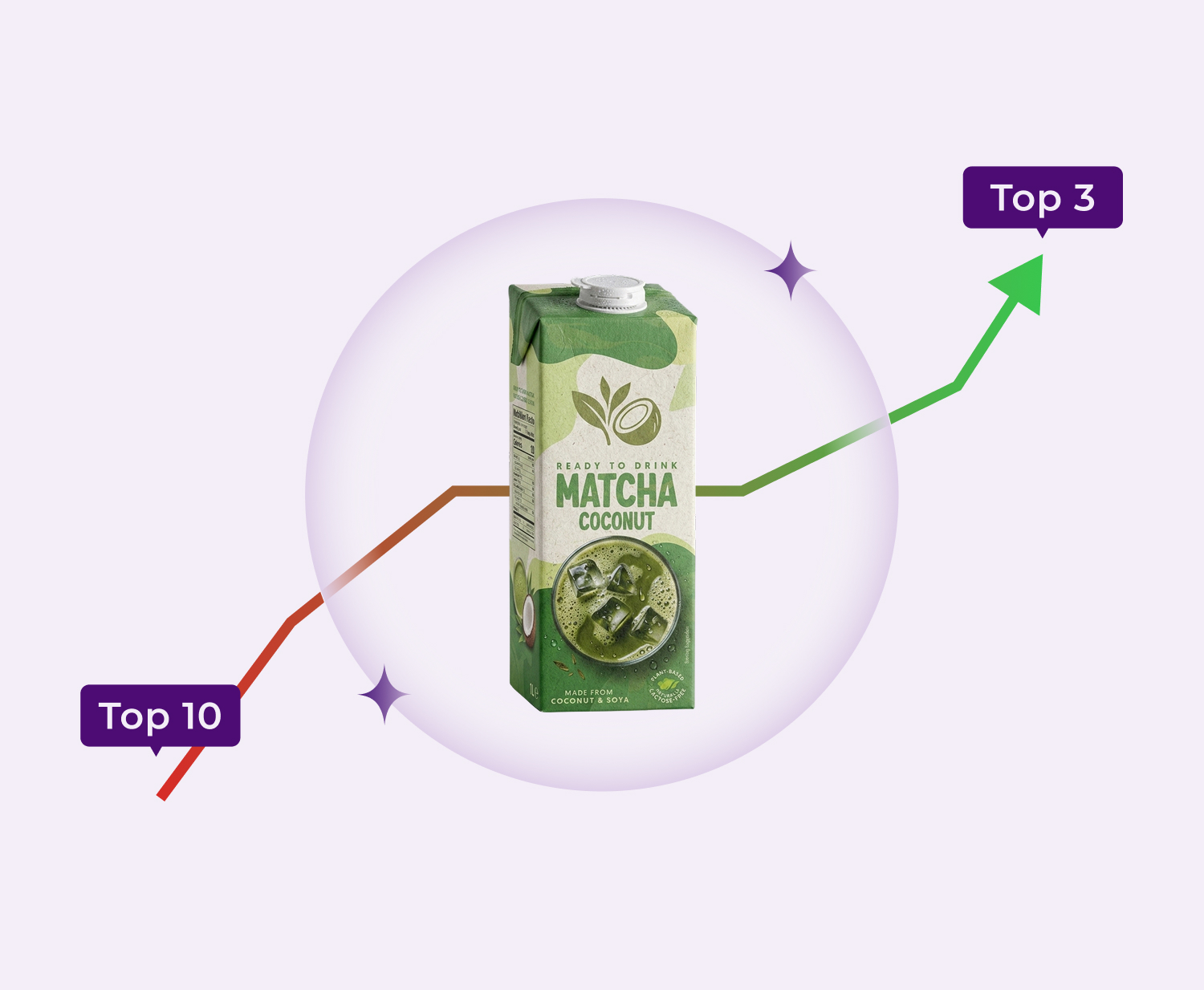
Access to live data is one of the most important points of this update. A real-time connected catalogue reduces price errors, improves user trust and prevents the shopping experience from becoming outdated relative to actual stock or active promotions.
For retailers, this implies a higher demand for feed quality and data governance. If information is not well-structured, the agentic experience quickly loses value. In contrast, when the catalogue is well-maintained, AI can become a very effective discovery and conversion layer.
3. Identity linking to activate loyalty benefits
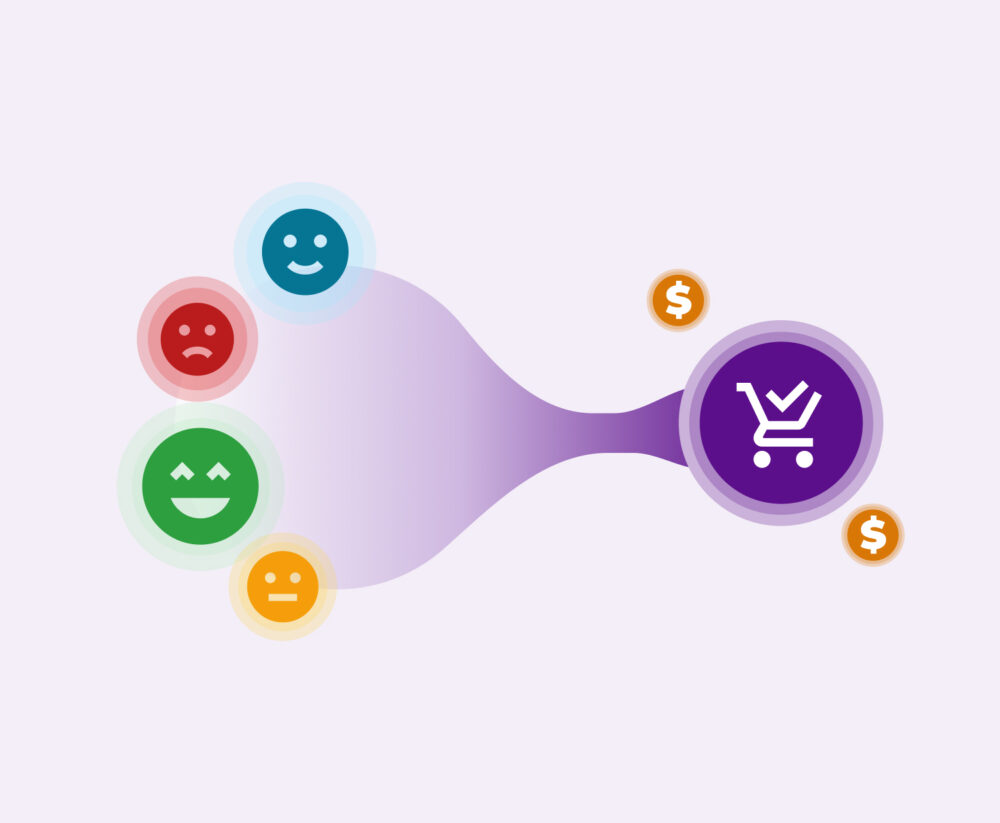
The connection with loyalty programmes adds a strategic layer to AI-assisted shopping. The user doesn’t just find a product and move towards checkout, they can also retain the benefits associated with their customer account.
This is especially valuable for brands with mature loyalty programmes, because it protects the value of the direct relationship with the customer. If membership incentives survive the interface change, the experience is more coherent and the commercial proposition gains weight.
What Impact does this Announcement Have on E-commerce and Retail?
Beyond specific features, this announcement introduces a relevant change in the logic of the digital funnel: purchasing no longer depends exclusively on owned environments and is instead integrated into AI-mediated experiences. In this context, what is at stake is not just conversion, but also who controls critical points of the customer relationship (data, personalisation and access to the moment of purchase) within the Google ecosystem.
Less friction in the purchasing process
In practice, friction occurs when the user has to repeat searches, re-enter preferences or check too many times if a product is still available. The new UCP attempts to solve part of that problem by centralising the cart, catalogue and user context in a single experience.
This does not eliminate the role of traditional e-commerce, but it does introduce a new touchpoint in the purchase path. For some brands, the value will be in capturing orders earlier; for others, in improving the performance of campaigns, feeds and loyalty programmes within this new environment.
More personalisation in the user experience
Personalisation gains weight when AI can recognise not only what the user is looking for, but also who they are and what associated benefits they have. The identity linking makes the experience more relevant and less generic, especially in purchases where price, shipping or member benefits influence the decision.
This level of personalisation can improve brand perception and increase the probability of closing a sale. For the retailer, it also opens the door to adapting promotions and messages to identified users without losing consistency across channels.
More value for loyalty programmes
Loyalty programmes usually depend on the user seeing a clear and easy-to-activate benefit. If the agentic experience respects that value, these programmes gain presence at the moment of purchase and are not relegated to the brand’s own website or app.
This can be especially useful in sectors where recurrence is high and repeat purchases carry significant weight. Beauty, specialised food, consumer electronics or premium fashion are examples where the connection between loyalty and conversion has significant potential.
How Merchant Center Fits into this Strategy
Merchant Center appears as the integration piece that facilitates the adoption of UCP by businesses. Google has been simplifying access to these capabilities so that more retailers can participate in the ecosystem without depending on complex developments from the start.
From an operational point of view, this means that catalogue quality, data structure and attribute updates become even more important. If Google wants to offer more precise shopping experiences within AI environments, the merchant’s database must be prepared for it.
What Brands should Keep in Mind
The first priority is reviewing product feed quality. Price, stock, variants, descriptions and promotions must be well-maintained for the UCP experience to be reliable and competitive. Without this prior work, the tool’s potential is greatly reduced.
The second is aligning loyalty, CRM and e-commerce so that customer identity can be activated without friction. If the system does not correctly recognise the user or does not apply their benefits consistently, part of the update’s value is lost.
The third is thinking about the impact on attribution and commercial control. When part of discovery and checkout moves to AI environments, brands must review how they measure conversion, how they attribute results and to what extent they depend on an external platform to drive sales.
What this Move Means for the Future of Checkout
Google is outlining a scenario in which the checkout does not only depend on a website or an app, but also on AI assistants capable of managing part of the purchasing process. This can change how users discover products, compare options and finalise orders.
For the sector, the conclusion is twofold. On one hand, there is a real opportunity to improve conversion, personalisation and loyalty value. On the other, there is a growing need for solid data, well-structured catalogues and a clear strategy for operating in environments where AI acts as an intermediary between brand and consumer.
The evolution of UCP suggests that agentic commerce will not be a marginal trend, but a channel that will gain weight as Google expands its integration with Search, Gemini and its shopping ecosystem. For retailers and brands, the question is no longer whether it is worth preparing, but how much room they want to leave for others to occupy that space first.